TIPS AND TRICKS

We will feature items to help you enjoy your new or existing garden. If you have a tip you'd like to share, go to our contact page and email us!! You can also share your experiences on our message board.


  How many fish are too many fish?  
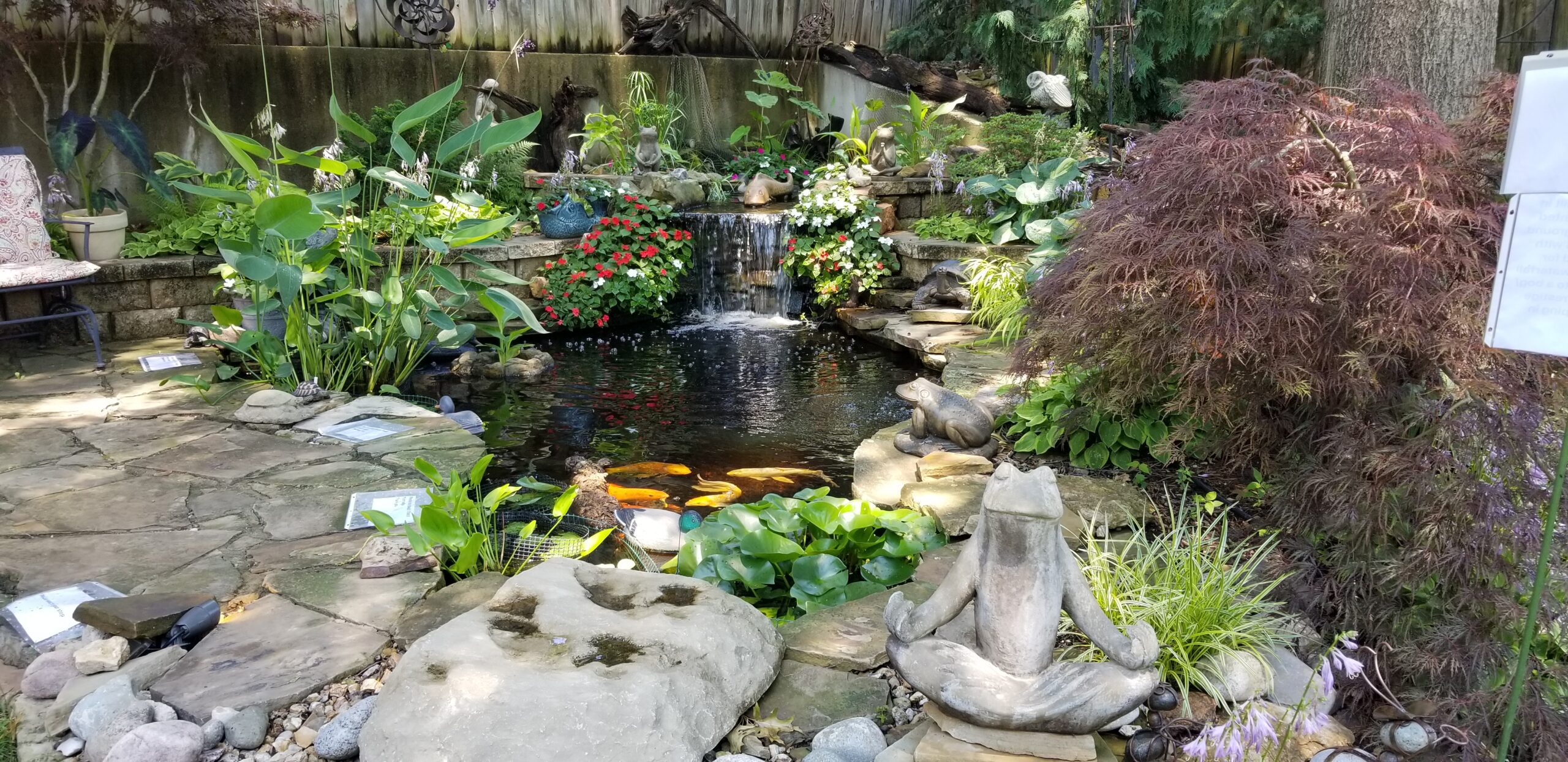
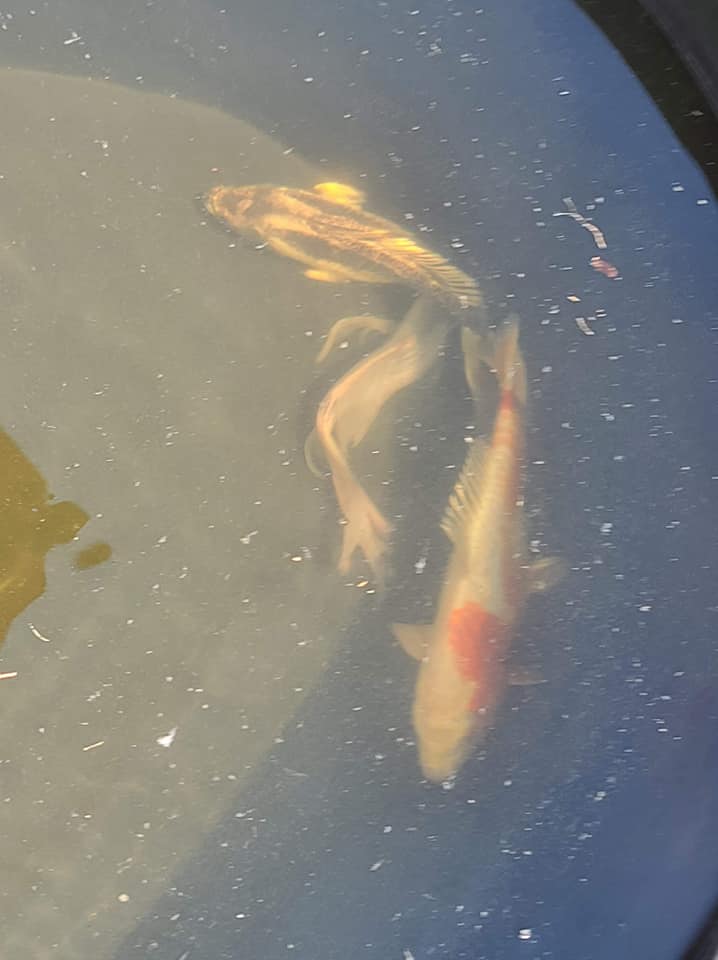
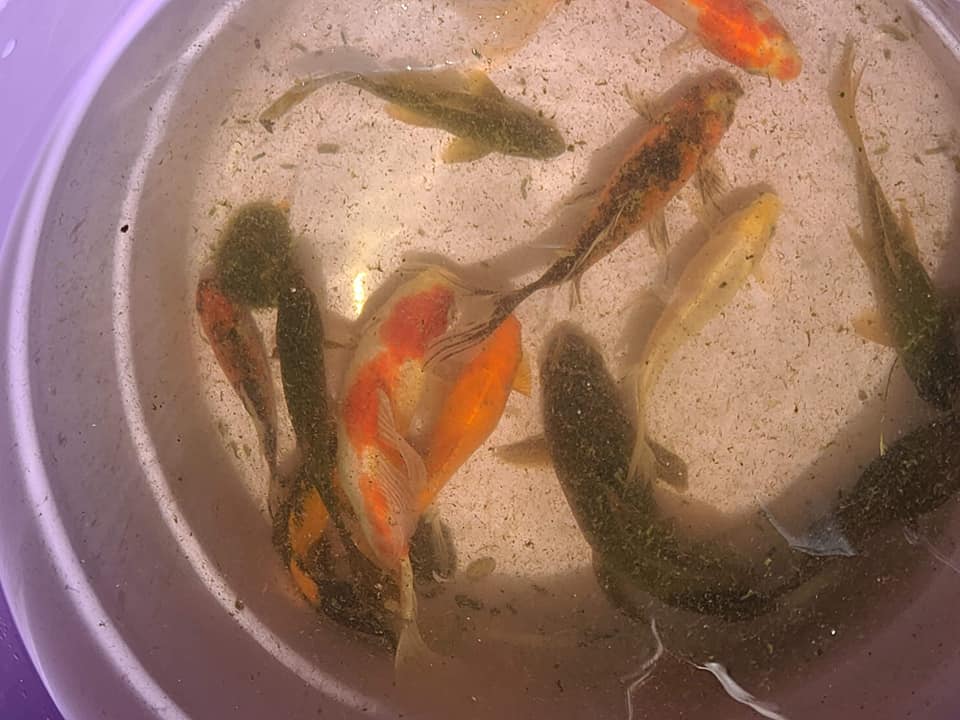
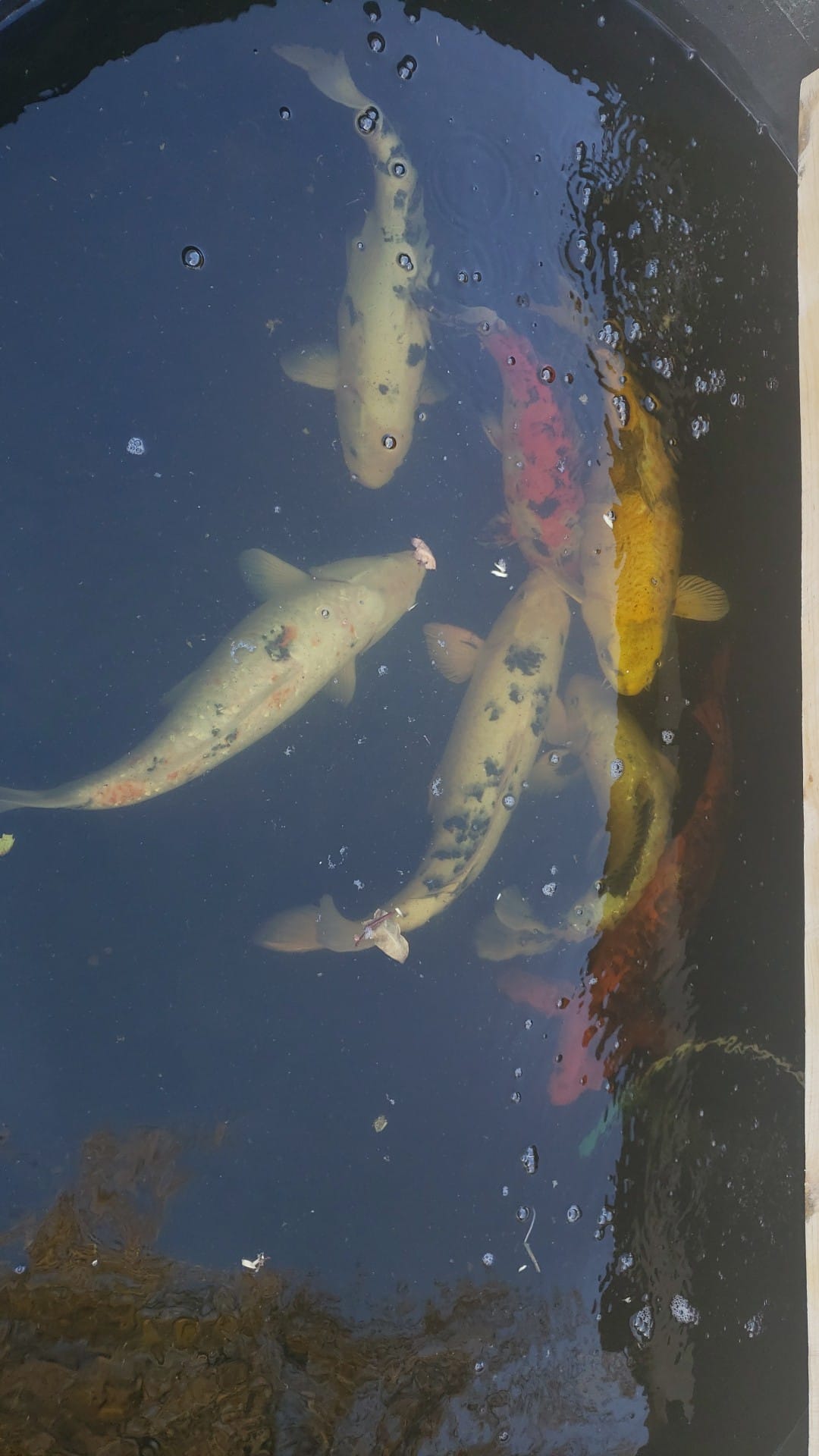
  How many fish are to many?  One inch of fish per square foot of surface area is a good rule of thumb (or fish).  So, a 10' X 15' pond would be 150" (inches) of fish, or 15-ten inch fish or 30-five inch fish.  Too many fish can result in poor water quality, poor fish health, and excessive algae growth.
 
 
  Pond coverage  
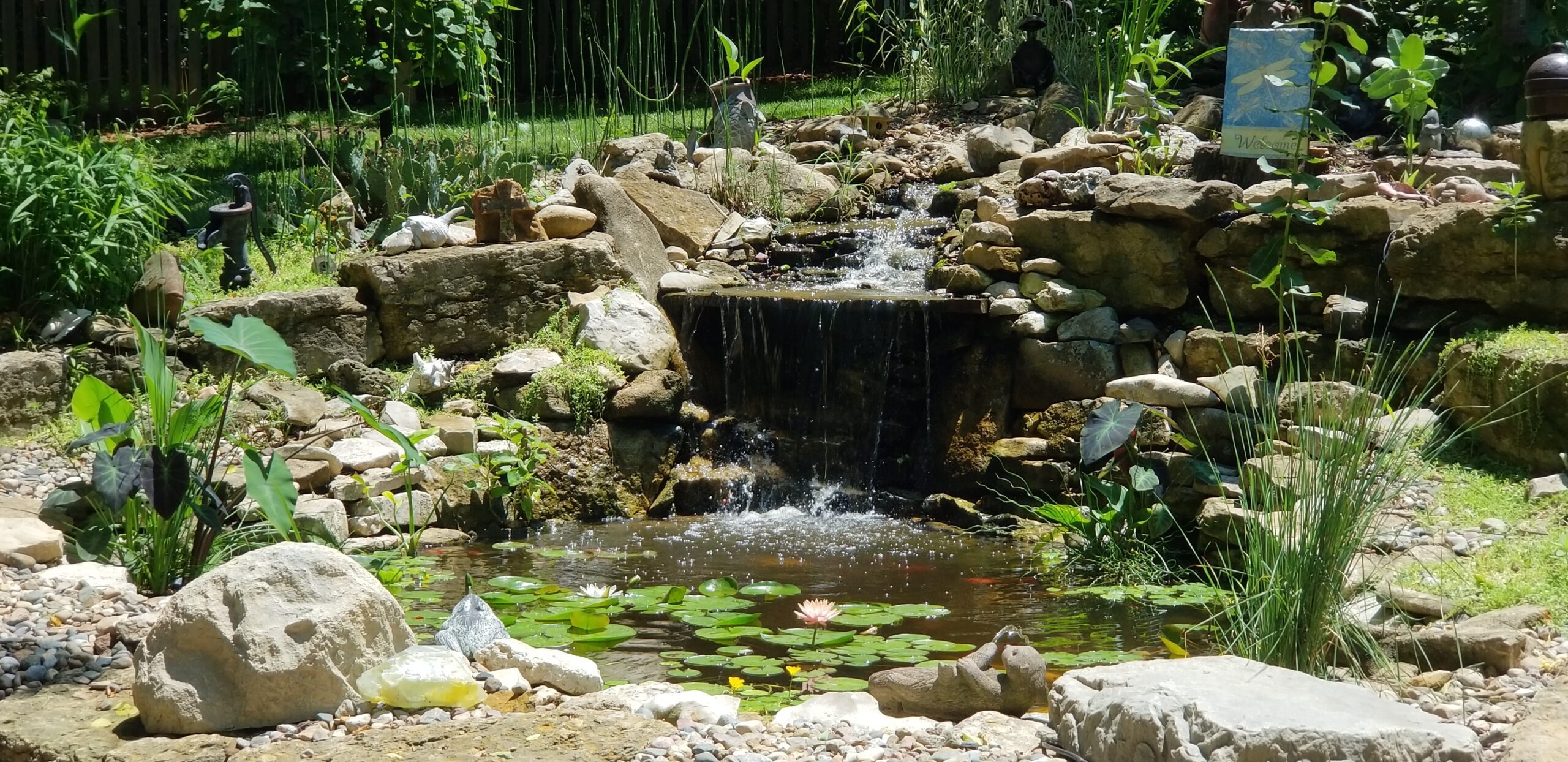
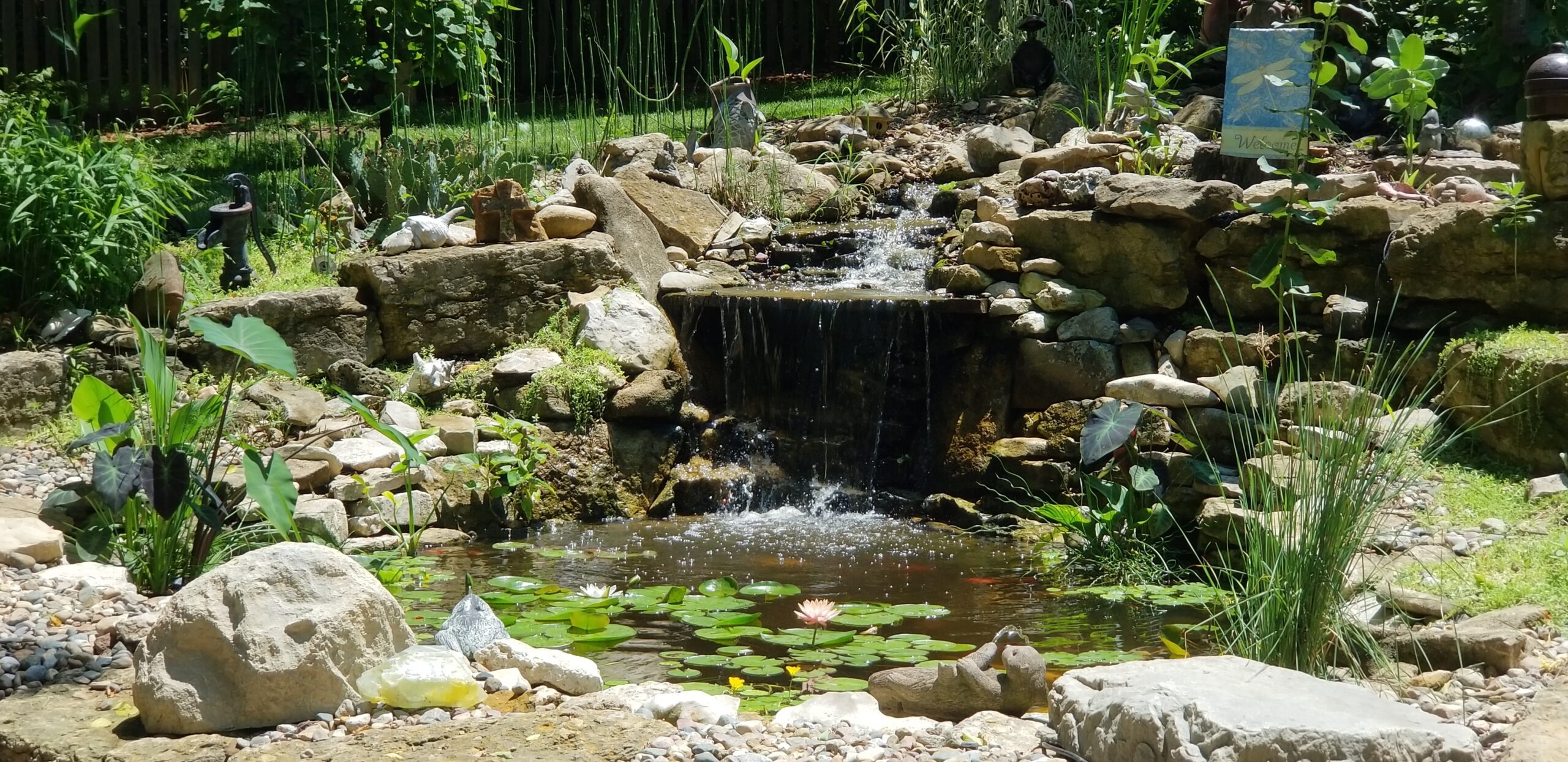
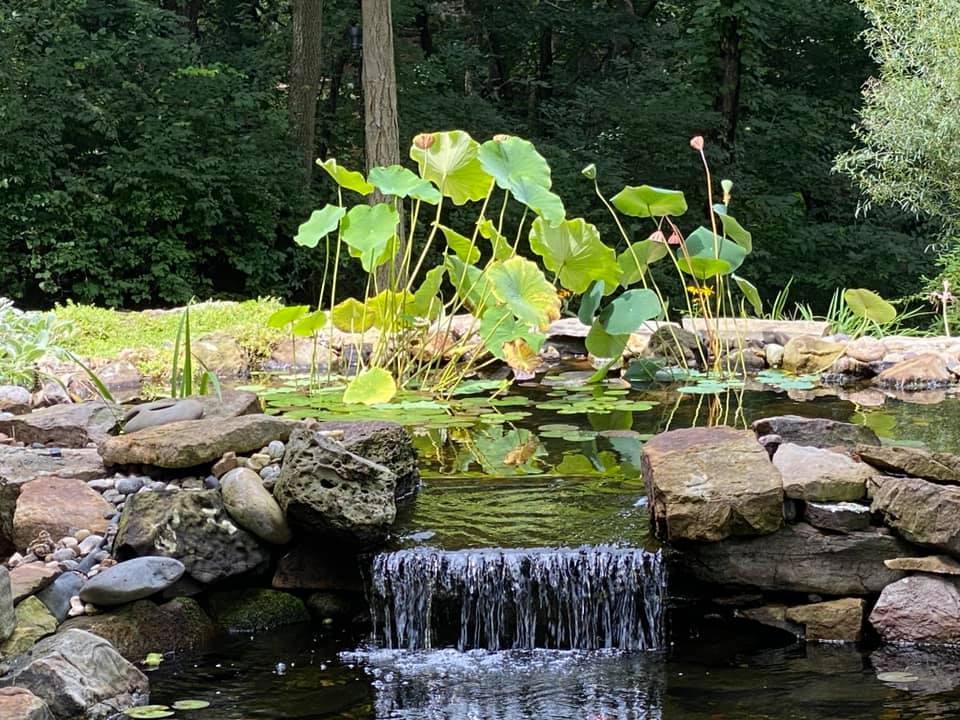
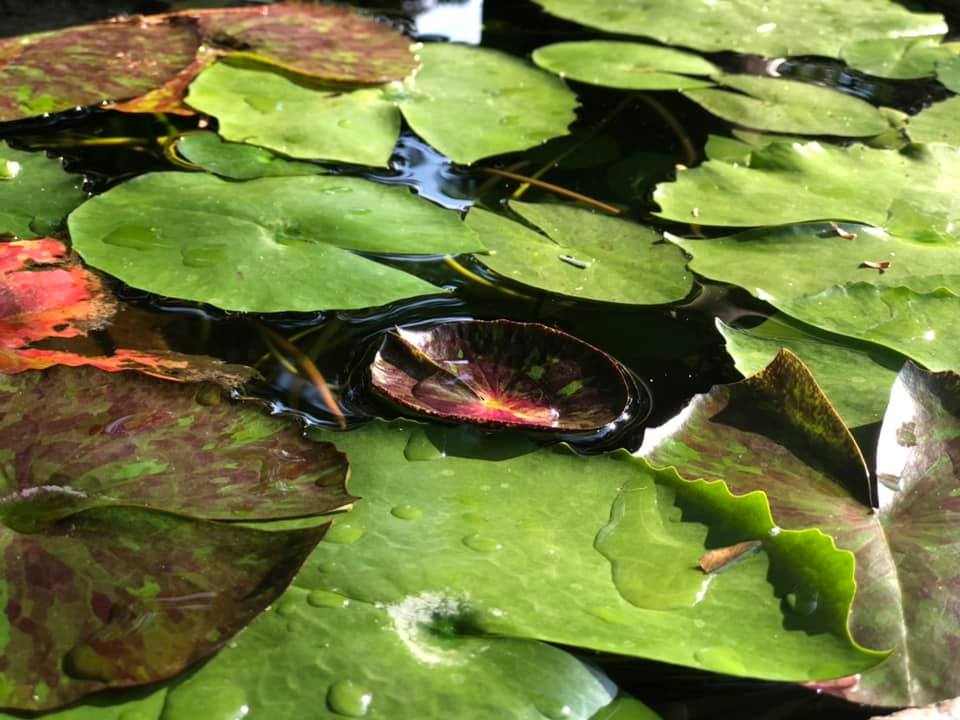
  How many plants should your pond have?  Plant coverage of your pond surface should be 50%-75% depending on the amount of shade it gets.  Floating leaf plants keep water cooler, provide shade for fish, and prevent algae photosynthesis. 
 
 
  Mosquitoes  
  Since there is concern about the spread of the West Nile Virus, having fish in our ponds and container gardens to eat larve is a good way to keep the mosquito population down.  Moving water with waterfalls and fountains is effective.  One of our members uses a small amount of baby oil to cover the surface containers with non-moving water and without fish.  Mosquito dunks are also effective in large ponds or tanks and will not harm fish.
 
 
  Water Hyacinths  
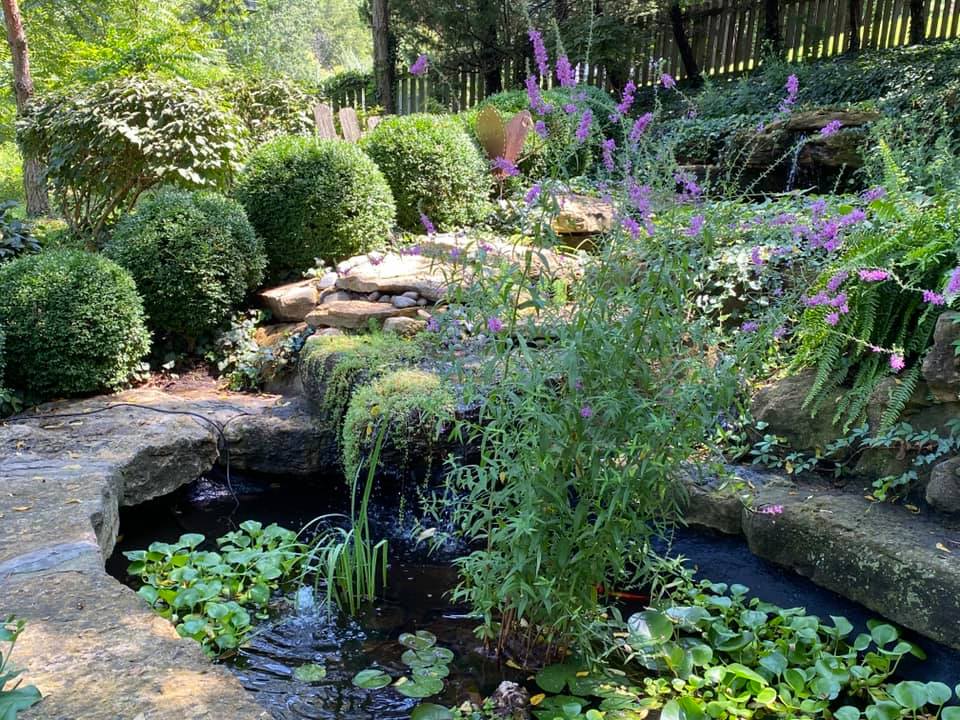
  Have alot of hyacinths that were gold in April and now overflowing your pond? There are alot of good nutrients in those plants. They have been sucking them up all summer long helping to keep your pond balanced. Put them in your composter. And as long as the pile is not frozen, turn it every month during the winter.  
  Planting bulbs  
  Belated Bulbs... If you didn't get your bulbs planted before the ground froze, plant them now in individual peat pots and place the pots in flats.  Set them outside where it is cold and buy the bulbs under a thick blanket of leaves. If we're lucky, the ground will thaw again this winter and we can use the opportunity to transplant them into the garden. 
 
 
  String Algae and barley  
  When barley straw begins to decompose, 2-8 weeks in the pond, depending on a variety of factors like water temperature and oxygen in the water, the straw oxidizes into humic acid.  Humic acid and sunlight produces a low level of hydrogen peroxide which appears to interfere with the growth of new algae cells.  There is no effect on any other plants nor any harmful effect on fish.  An 8 oz bale will treat 1000 gallons for six months; add once in the spring and once in the fall.
 
 
  Invasive plants - don't let them loose!  
  WARNING:  beware of invasive plants which are native to our area.  Our last speaker informed us of the dangers of letting some plants run rampant in environments outside of our controlled ponds.  Just ask any Floridian about water hyacinths - they will tell you they HATE them in the canals.  Thank the powers that be that kudzu isn't a water plant!  Likewise, here, a ponder owner thought her extras would look nice in a farm pond - they disturbed the ecosystem to the point of killing the pond fish.  So beware!  Dispose of your extras properly - in the compost heap!
 
 
  Fall frost...it will come!  
  Watch the dew point on the nightly weather report. When the dew point is below 32 degrees, the morning dew will be frost. Folklore has it that 'clear sky, frost tonight.' Covering tender plants with a light sheet will protect them against a light frost. So will newspapers or a loose covering of fall leaves. Or use bubble wrap!

Putting a few bay leaves in the bird seed will reduce the moths that appear when stored too long.


  ©2004 Water Garden Society of Greater Kansas City    Privacy     Contact